- Home
- Industries
- Engineering and Machine Building
Engineering and Machine Building
In engineering, 3D printing is used for functional prototypes, tooling, jigs, brackets and low-volume parts – with no molds and no minimum quantities. The core material is PA12 (MJF/SLS); for special cases, PA GF, Alumide or PEEK.
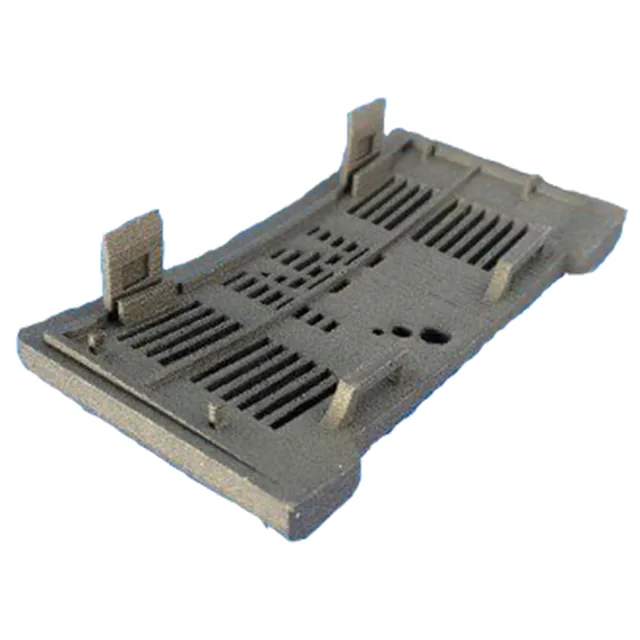
What we solve
Iterations
The design changes every week – machining or molding every revision is expensive.
Complex geometry
Internal channels, lattices and integrated assemblies that conventional methods cannot produce.
Low quantities
You need 5–200 parts, not thousands.
Recommended technologies
Most used materials
Typical parts
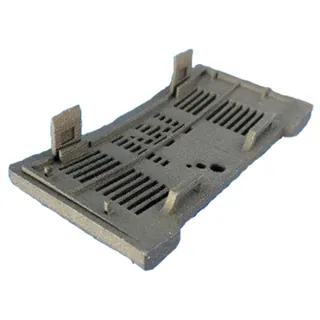
Tool holders
Precise shapes for tools and fixtures.
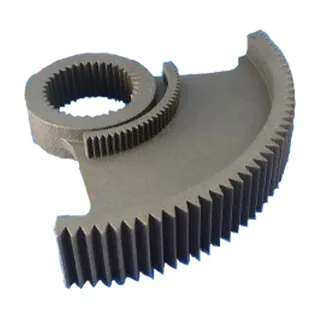
Gears and mechanisms
For testing and lightly loaded drives.
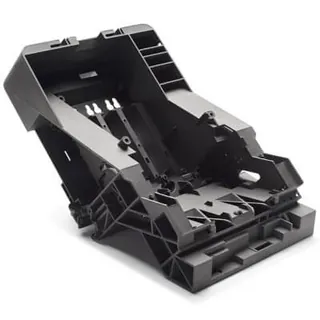
Enclosures
Housings for electronics and mechanisms.
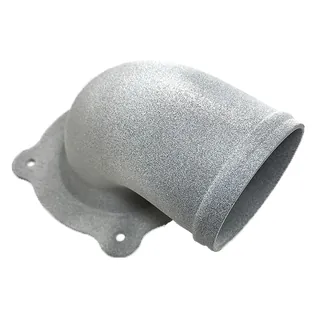
Nozzles and ducts
For air and fluid flow.
From prototype to series without molds
MJF and SLS produce parts with mechanical properties close to molded ones, so a prototype can become the final part. When the design changes, simply upload a new revision and the price is recalculated instantly.
What is worth printing
- Jigs, fixtures and inspection tools for the production line.
- Functional prototypes of mechanisms.
- Spare parts the supplier no longer makes.
- Low-volume runs – up to a few hundred units.
Before you upload
- Design for additive manufacturing from the start: walls ≥1.5 mm in load-bearing areas, round internal corners.
- Use metal threaded inserts for threads.
- Design integrated assemblies with 0.5–1 mm clearances.